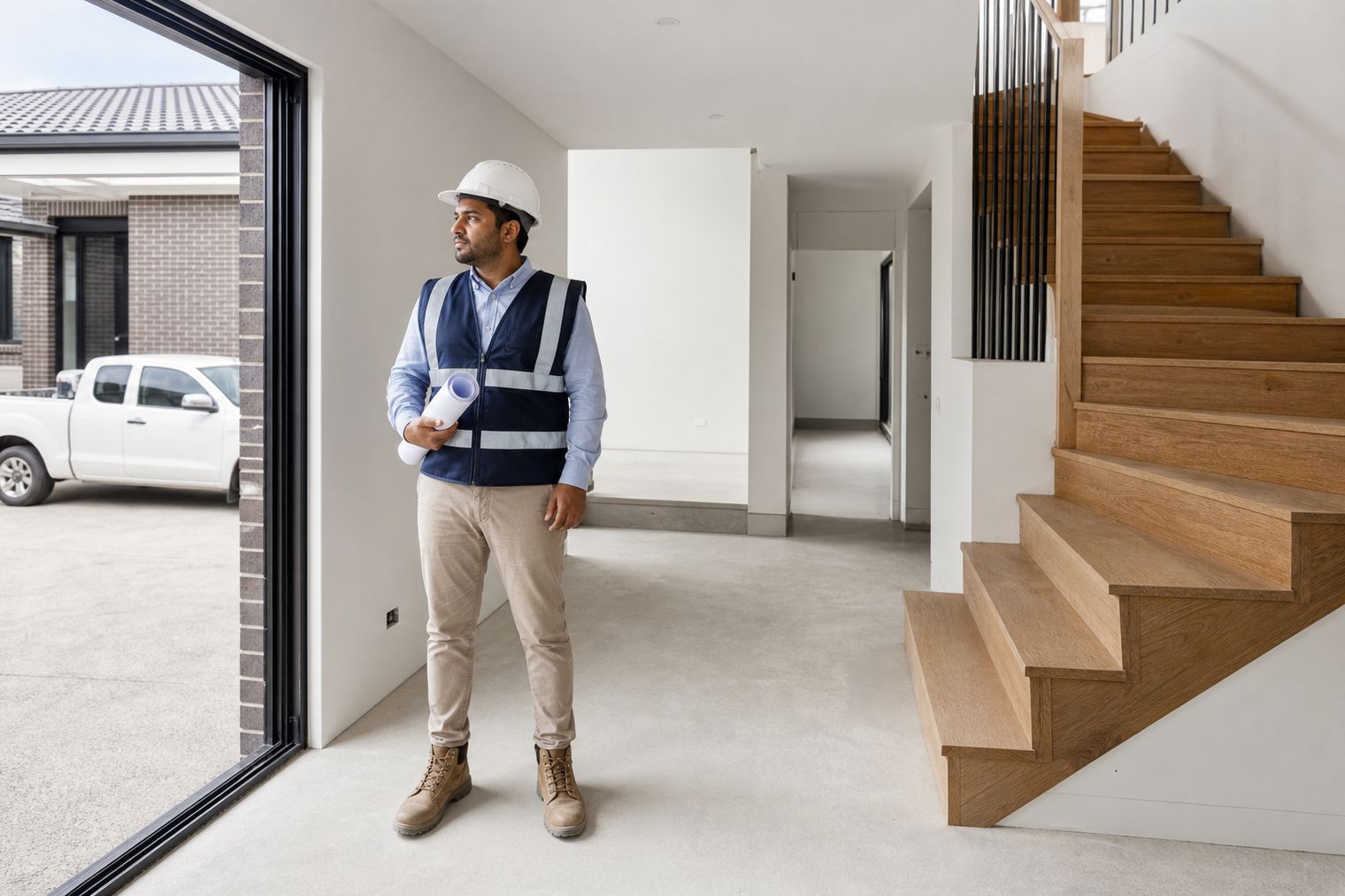
Construction costs rose again in the September quarter, and the increase was not even across the country. New data reported by Hotspotting shows building costs up 1% over the quarter, with Western Australia moving the most. For anyone buying a new build, the cost of the job is part of the cash flow picture, so the direction of these numbers is worth watching.
What happened
Hotspotting reports that construction costs were up 1% in the September quarter. Western Australia recorded the largest rise at 1.1%. New South Wales and Queensland were each up 1%, and Victoria and South Australia were each up 0.9%. The figures come from Cotality, which measures how prices move for labour, materials, plant hire and subcontracting across the main trades.
The story links many of the increases to rising fuel costs. Cotality's estimation manager, John Bennett, says the faster rise in Western Australia makes sense because many jobs needed materials trucked over from the eastern seaboard, which added another layer of cost. Bennett also points to materials that need trucks to deliver them, including concrete, steel and plasterboard. On plastic pipe, he ties price movements to the petrochemical industry, saying that "the plastics on the move again" when those costs shift.
What it means for property investors
Build cost movements matter for new property because the contract price is only one part of what an investor pays. These figures are quarterly movements. They show the direction costs are moving in and how that movement varies by state, but they do not tell you what any particular contract will cost, and they are not a forecast.
The fuel-related pressure the story describes affects materials that are heavy or costly to move. A build with a larger share of those inputs may be exposed differently from one with fewer. Location matters too. The higher figure in Western Australia is tied in the story to freight from the east, so a project in a region where materials travel a long way may face different pressure from one closer to supply.
For someone considering a new build, a few contract questions become more important when prices are moving. How does the builder price variations? Is the price fixed or subject to adjustment? How long does a quoted price hold? What happens to the timeline if materials are delayed? Clear answers to these questions make it easier to compare two quotes that look similar on the surface.
Independent valuations and rental appraisals also matter. The value a lender assesses and the rent a property can realistically achieve are separate from the build price. A higher build cost does not change what a property will rent for, and the story does not make any claim about rents. Vacancy, local demand and the independent appraisal are the things to check for that side of the picture.
What to look at next
Contract terms. Read how the builder handles price changes, provisional sums and variations before signing. A contract that is clear about who carries cost movement is easier to compare than a headline price alone.
Build cost against valuation. Ask how the build price compares with the valuation and how much a lender will lend against it. A licensed mortgage broker can explain how construction lending works, including how progress payments are handled and how a rise in build costs during the project might affect the loan.
The full cash flow view. Test your numbers with a higher build cost, a longer build period and a realistic rent figure. A licensed financial adviser can talk through how these fit with your wider position, and a tax adviser or accountant can explain how build costs, depreciation and deductions are treated in your own circumstances.
If you want to talk through how these points apply to a specific project, you can book a free call. You can also read more articles on the Insights page.
General information only, not personal financial advice. Speak with a licensed adviser before acting.