
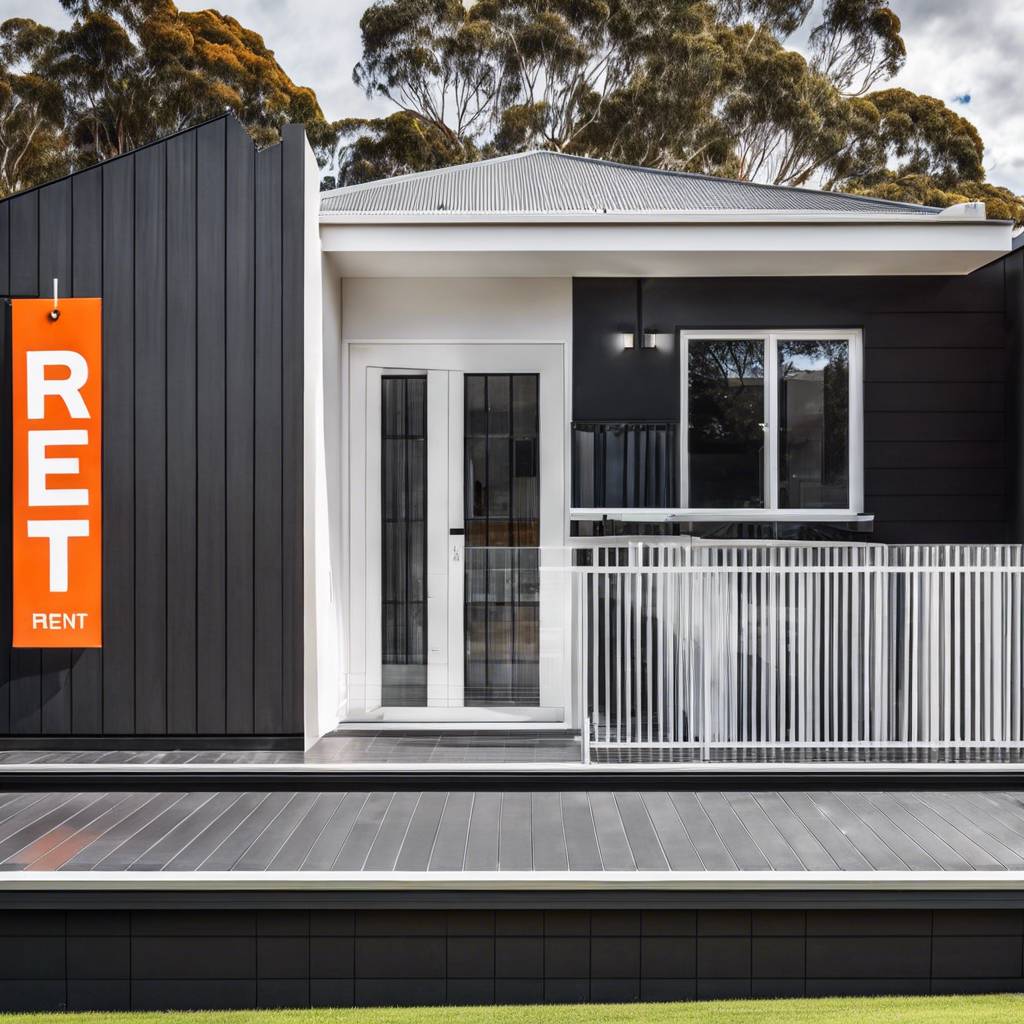
The Australian rental market has experienced unprecedented changes in recent years, presenting both challenges and opportunities for property investors. The COVID-19 pandemic, shifting migration patterns, and variations in interest rates have collectively reshaped the landscape of property investment in Australia. For those interested in investing in property, particularly in the domain of ndis housing investment, understanding these dynamics is critical to making informed and strategic decisions.
The pandemic initially led to a decrease in average household size as people sought to minimise contact, but it subsequently caused a surge in rental demand. As health concerns eased and restrictions lifted, many Australians began to reconsider their living arrangements, often looking for more space and better amenities. This demand pushed rents higher, impacting both urban centres and regional areas, which saw an influx of renters thanks to the appeal of remote working arrangements and lifestyle changes.
Moreover, the Australian government’s increase in the migration program as part of the post-pandemic recovery effort has further compounded rental demand. New arrivals, whether returning citizens or new immigrants, usually first settle into rental accommodation, exerting additional pressure on an already tight market. This increased competition for rental properties has not only escalated rental prices but also reduced vacancy rates.
On the financial front, escalating interest rates have seen landlords faced with higher mortgage repayments, leading some to exit the market, while others have had no choice but to increase rents. For many renters, this situation translated into dedicating a larger slice of their income to accommodate rental increases, with a notable proportion spending over 30% of their earnings on rent—a situation that is far from ideal.
Amid this backdrop of soaring rents and a tight market, there is increasing recognition of the need for diverse housing solutions. The National Disability Insurance Scheme (NDIS) has emerged as a cornerstone in addressing the need for specialised housing. NDIS property investments address the demand for high-quality accommodation suited to the needs of NDIS participants. As a buyer’s agent for ndis properties, we are keenly aware of the substantial social impact these investments have, in addition to potential financial returns. They serve as a lifeline for individuals with disabilities, offering them the opportunity to live independently in homes that cater to their specific needs.
Investing in ndis housing is not simply a financial decision but also a socially responsible one. When considering how to buy ndis investment properties, investors should look beyond traditional property metrics and understand the unique requirements and long-term benefits of such investments. These properties are often purpose-built or modified to be accessible and include features that support the wellbeing and accessibility of NDIS participants. The returns from ndis property investment are anchored in long-term leases and a strong demand backed by the government’s commitment through the NDIS.
For those looking to add such assets to their portfolio, it is important to remember that finding the right ndis property investment requires expertise and an understanding of the NDIS market. This is where a professional buyers agent for ndis can be invaluable. Such an agent not only assists in sourcing appropriate properties but also understands the regulatory and compliance aspects unique to NDIS property investment. They can identify homes that not only meet the present market demand but are also likely to be sustainable investments due to their social impact and the continuously growing need for specialised disability housing.
As the landscape of the Australian rental market continues to evolve, investors have much to consider. From the macroeconomic conditions affecting general housing demand to the specific needs of niche markets like NDIS housing, the key to success lies in understanding the full picture and seeking out expert guidance. Whether you’re a seasoned investor or new to the property market, aligning your investment strategy with the evolving needs of the community can lead to both financial and social rewards.
Speaking of the evolving Australian rental market, you might be interested in exploring the broader context of the [COVID-19 pandemic](https://en.wikipedia.org/wiki/COVID-19_pandemic) and its impact on global economies. The pandemic has not only reshaped migration patterns but also influenced [interest rates](https://en.wikipedia.org/wiki/Interest_rate) and property investments. Additionally, for those considering niche markets like NDIS housing, understanding the [National Disability Insurance Scheme](https://en.wikipedia.org/wiki/National_Disability_Insurance_Scheme) is crucial. This initiative plays a pivotal role in addressing the housing needs of individuals with disabilities, offering both social and financial benefits. By gaining a deeper understanding of these factors, investors can better navigate the dynamic landscape of the Australian rental market.