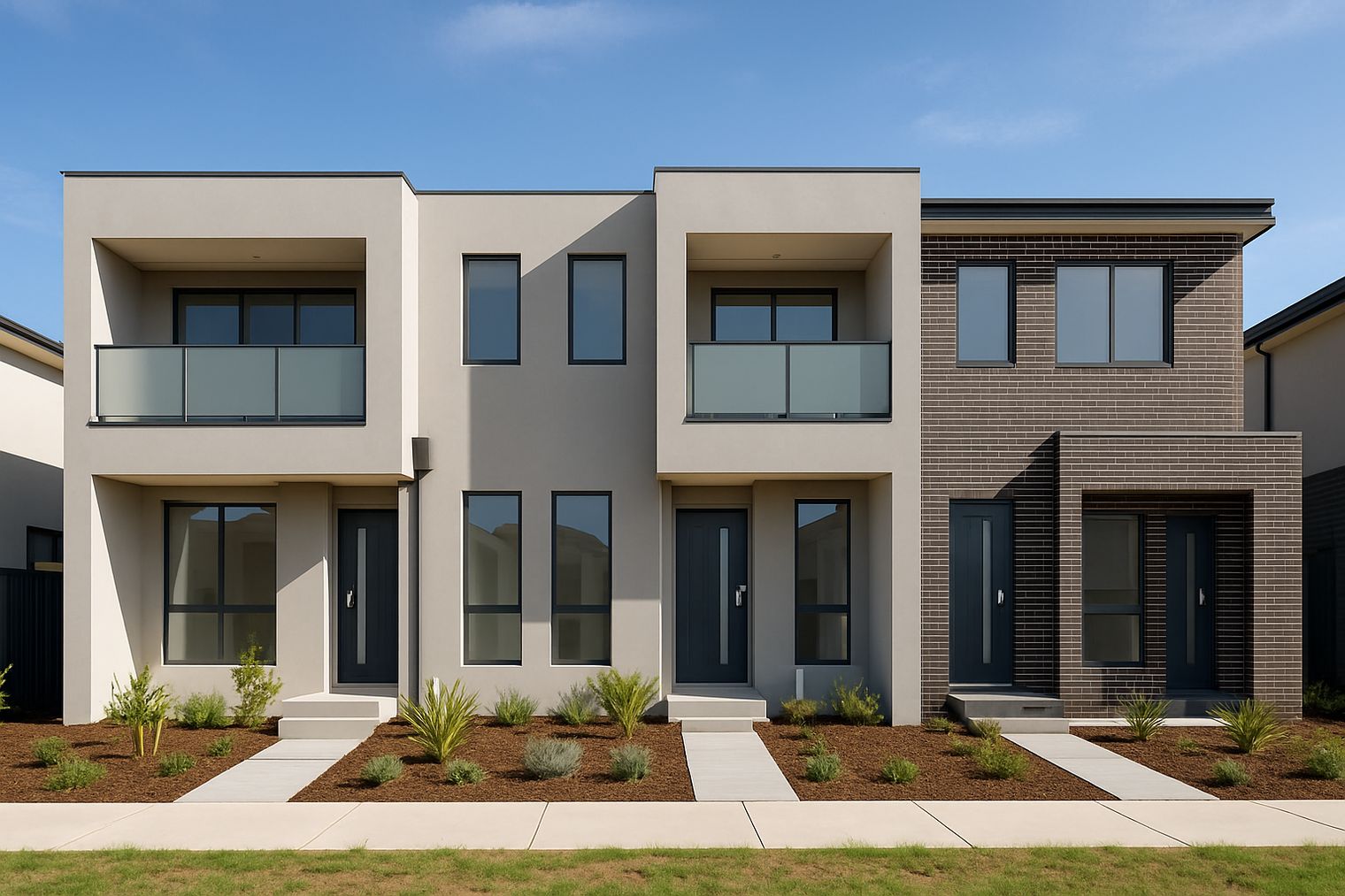
You have found a property that could house five tenants under one roof. The gross yield figures look different to anything you have seen on a standard three-bedroom rental. Before you sign anything, there are seven questions that separate investors who go in clear-eyed from those who get an expensive surprise six months later.
1. Is the property actually approved as a rooming house?
A building that looks like a rooming house is not necessarily registered or approved as one. Rooming houses in Australia are subject to a range of legal and regulatory requirements, with rules varying significantly across states and territories. In Victoria, for example, the Public Health and Wellbeing (Prescribed Accommodation) Regulations 2020 define a rooming house as a building where there are one or more rooms available to rent and four or more people are occupying those rooms. Rooming house operators are legally required to be licensed, and rooming houses must be registered with the local council. If you are buying an existing operation, confirm that both the property registration and the operator licence are current before exchange. If you are converting a standard house, planning approval is often required before conversion works commence.
2. Does the zoning and council overlay actually permit it?
Local councils often have specific zoning laws governing rooming houses. These regulations may limit the number of tenants allowed, specify parking requirements, or impose restrictions on property modifications. The rules regarding rooming house properties can be complex, and they are different across every state and council area. A town-planning search and a conversation with the relevant council before you make an offer is not optional, it is the first piece of due diligence. Your conveyancer can assist with this.
3. What building classification applies, and what does that mean for your build cost?
Under the National Construction Code, a rooming house typically sits in building Class 1b rather than Class 1a (standard dwelling). Understanding the key differences between Class 1a and Class 1b dwellings for rooming houses is important, getting it wrong can lead to costly mistakes. Class 1b carries different fire safety, egress, and amenity standards, and retrofitting an existing Class 1a property to meet those standards can be a significant cost. Get a building surveyor's opinion on any conversion before you commit.
4. How is the income actually structured, and what are the vacancy risks?
Rooming houses offer the potential for higher rental yields due to multiple income streams from a single property. That is the attraction. The other side of the ledger is that you are managing multiple separate tenancy agreements, each with its own notice periods and bond obligations. While they are not "set and forget" investments, rooming houses can be highly effective for investors who prioritise income performance and are willing to engage specialist support. Ask the agent for a detailed rent roll showing each room's current rent, length of tenancy, and any vacant periods over the past 12 months. Commission an independent rental appraisal before you rely on any income figures.
5. Who will manage it, and are they actually qualified to do so?
A standard residential property manager is generally not equipped to handle rooming house compliance. In Victoria, rooming house managers must be authorised by the Business Licensing Authority, and anyone acting on behalf of the rooming house operator must be authorised as a 'fit and proper' person to manage a rooming house. Higher returns come with higher compliance responsibility, and this is where many investors go wrong. Identify a specialist property manager before settlement, not after. Factor their fee into your cash-flow modelling.
6. Can an SMSF buy a rooming house, and has the law changed?
This question has become more nuanced in 2026. From commencement, an SMSF can only use an LRBA to acquire real property if that property is business real property as defined in the SIS Act. Residential property is excluded because it does not meet that definition. The official commencement date for the ban on new residential LRBAs is 10 August 2026. A rooming house is a residential-use property for the purposes of these rules, so new SMSF borrowing to acquire one via an LRBA is no longer available after that date.
An SMSF can still purchase a rooming house outright using cash held in the fund, provided the investment satisfies the sole purpose test, the fund's investment strategy, and all other SIS Act requirements. A cornerstone rule is that you cannot lease a residential property owned by your SMSF to a related party. Doing so breaches the in-house asset rules and the sole purpose test, as it is viewed as providing a pre-retirement financial benefit to a member. The tax treatment inside super is general information only: rental income in accumulation phase is taxed at 15%, and at 0% in pension phase up to the Transfer Balance Cap. Discuss the current cap with a licensed SMSF specialist accountant, as it is indexed and changes each financial year.
Key steps if you are considering this path:
- Confirm the fund has a compliant investment strategy that expressly covers direct property.
- Have an SMSF specialist accountant review the sole purpose test and related-party rules against your specific situation.
- Engage a solicitor experienced in SMSF property to review the contract and bare trust deed if relevant.
7. What does the full holding cost picture look like?
Beyond the purchase price and stamp duty, a rooming house carries costs that a standard investment property does not. Think about:
- Licensing and registration fees: these recur and vary by state.
- Minimum standards compliance: rooming house regulations include a suite of minimum standards focusing on privacy, safety, and amenities for residents. Ongoing maintenance to meet these standards is a real cost.
- Insurance: standard landlord policies may not cover rooming house use. Confirm with your insurer in writing.
- Management fees: specialist managers typically charge more than standard residential rates.
- Vacancy across multiple rooms: an empty room in a five-room property represents a 20% drop in gross income.
Cash-flow outcomes depend on correct setup, realistic assumptions, and ongoing management. Model the numbers conservatively, with at least one room vacant at any time, before deciding whether the yield justifies the added complexity.
What to do next
If you are seriously considering a rooming house as your next investment, or want to understand whether it fits alongside other property structures, three concrete steps will help you move forward on solid ground:
- Get a town-planning and building assessment: engage a town planner or building surveyor with rooming house experience in your target location before you make an offer on any property.
- Model the real cash flow with a broker: a licensed mortgage broker can confirm current lending appetite for rooming houses (some lenders treat them differently to standard residential) and run the numbers on serviceability. Book a call with us at elitewealthcreators.com/booking/ and we can connect you with the right people.
- For SMSF buyers, see an SMSF specialist accountant first: given the changes to residential LRBAs effective August 2026, the compliance conversation needs to happen before you engage a selling agent, not after. Our services page outlines how EWC coordinates the property sourcing and broker referral side of the process.
Further reading on related structures is available in our insights section.
General information only, not personal financial advice. Speak with a licensed adviser before acting.