
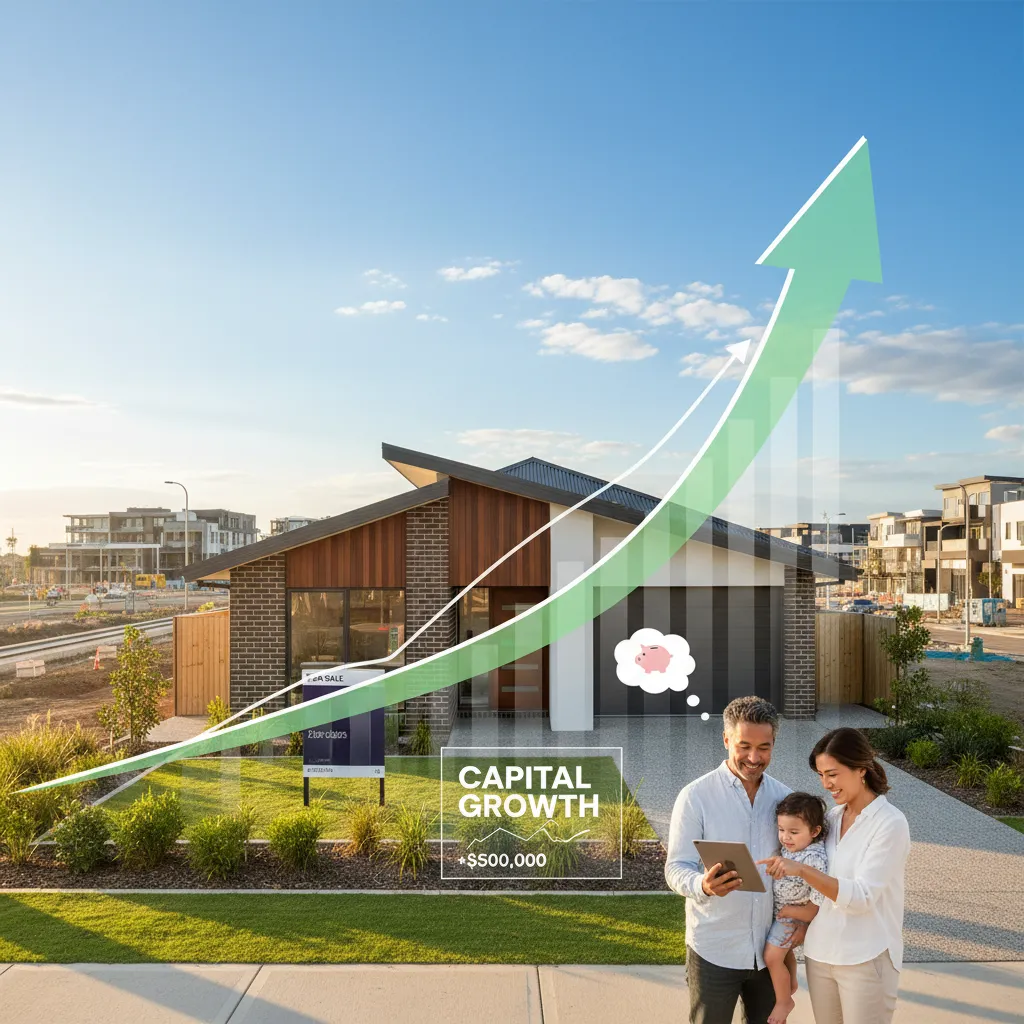
Introduction to Capital Growth in Real Estate
Capital growth in real estate refers to the increase in a property’s value over time. It’s one of the primary ways property investors generate wealth, alongside rental income and tax benefits. For many Australians, property represents a significant portion of their investment portfolio, making an understanding of capital growth essential to crafting successful investment strategies.
The property market’s inherent nature means that value fluctuations occur due to various factors such as economic shifts, demographic trends, and infrastructure developments. The potential for capital growth attracts investors seeking to build equity and secure financial stability, especially when planning for retirement or long-term goals. Unlike other assets, real estate provides a tangible asset with the possibility of substantial appreciation, which can contribute significantly to an individual’s net worth.
Factors Influencing Capital Growth
Several key factors influence how much a property’s value can grow over time. Location remains paramount; properties situated in desirable suburbs or regions with strong employment opportunities, good schools, and convenient amenities generally experience higher capital growth. Infrastructure projects such as transport upgrades, new shopping centres, and community facilities also tend to boost property desirability, pushing values upward.
Economic conditions both locally and nationally impact real estate capital growth. Strong economic performance typically results in increased demand for property, driving prices higher. Conversely, economic downturns can lead to stagnation or declines in property values. Interest rates are also crucial; lower borrowing costs can stimulate market activity and positively affect property prices.
Supply and demand dynamics play a fundamental role. Areas with limited housing supply but persistent demand often see higher capital growth due to competition among buyers. Zoning changes and urban development policies can alter supply levels, impacting price trajectories.
The Role of Capital Growth in Property Investment
Capital growth is a vital aspect of an investment portfolio, especially when combined with rental yield. Investors often purchase properties intending to benefit from price appreciation over several years. During this time, steady rental income can provide cash flow while the property’s value increases.
For investors utilising self-managed superannuation funds (SMSFs), capital growth offers a way to grow retirement savings by investing directly into property. As property values rise, the SMSF’s balance increases, potentially leading to greater retirement benefits. Moreover, capital gains realised within SMSFs can be taxed at favourable rates, enhancing overall returns.
However, it’s essential to recognise that capital growth is not guaranteed. Market conditions can change, and some locations may experience slow growth or price reductions. Therefore, thorough research, due diligence, and professional advice should underpin any property investment decisions.
Strategies to Maximise Capital Growth
Investors aiming to maximise capital growth should focus on purchasing properties in growth corridors. These areas typically see significant development and infrastructure enhancements, which can stimulate demand and increase land and property values. Identifying emerging suburbs often requires examining government plans, population growth forecasts, and market trends.
Another strategy is to invest in properties that can be improved or renovated to increase their market appeal and value. Thoughtful upgrades, such as modernising kitchens or bathrooms, can enhance capital growth potential by attracting higher buyer interest.
Diversifying an investment portfolio by including different types of properties or geographic locations can also reduce risk and provide better chances of capturing capital growth opportunities across various markets.
Lastly, adopting a long-term perspective is fundamental to achieving meaningful capital growth. Property markets naturally experience cycles, and patience can allow investors to benefit from upward trends over time.
Conclusion
Capital growth in real estate is a powerful element driving property investment decisions in Australia. With the right approach, understanding of market factors, and strategic planning, investors can harness capital growth to build wealth and secure their financial future. It remains critical to consider location, economic conditions, and market cycles when evaluating potential investments. Combining capital growth with rental income and possible tax advantages creates an attractive proposition for those seeking to maximise the benefits of real estate in their investment portfolio.
Appropriate professional guidance can further ensure that investment choices align with individual goals and risk tolerance, maximising the chances of successful capital growth and long-term prosperity.