
Understanding the complexities of the Australian rental housing market is essential for property investors looking to make informed decisions. As investors navigate this landscape, there is an emerging opportunity that combines social impact with financial return: investing in housing for participants of the National Disability Insurance Scheme (NDIS). As a property buyer’s agent specializing in this sector, we recognize the potential for those looking to invest in a market that is both under-supplied and supported by government funding.
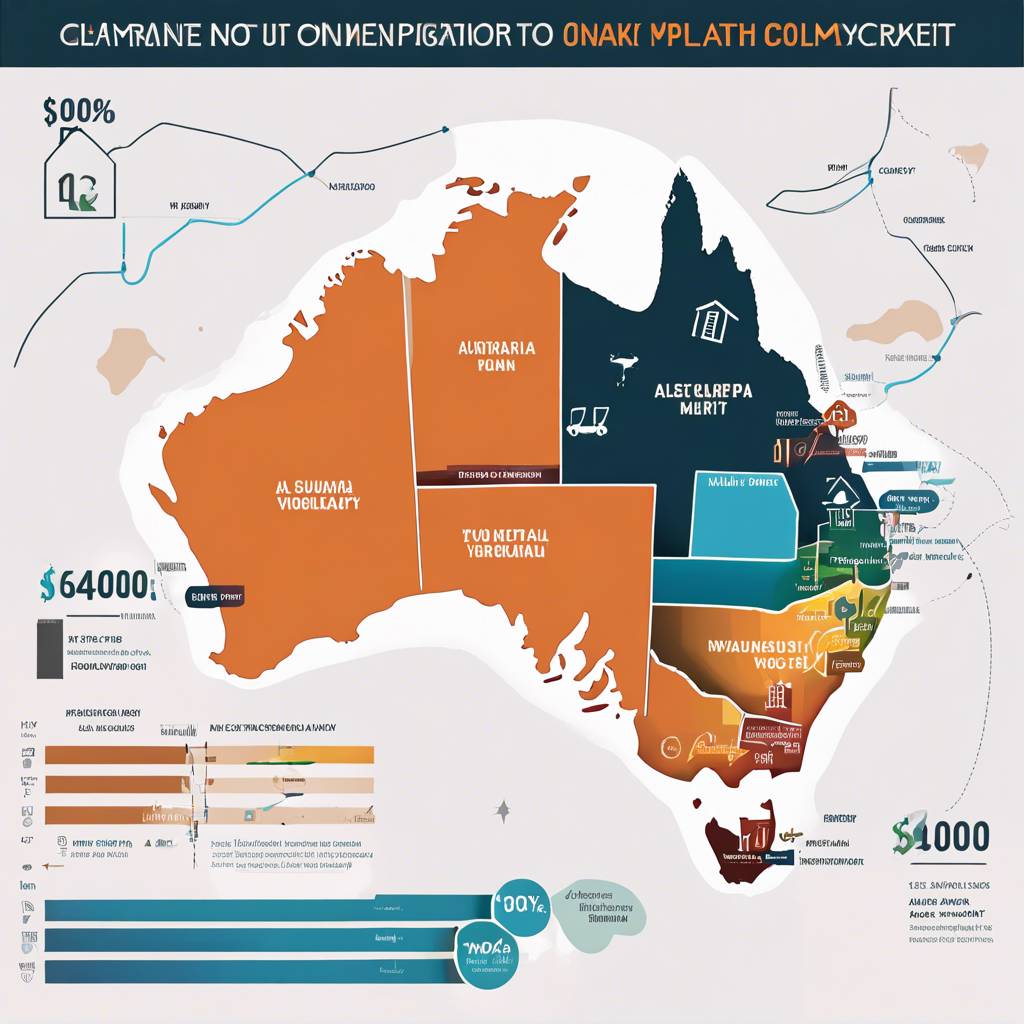
The rental housing market in Australia is undergoing significant change, influenced by factors such as COVID-19, inflation, and Reserve Bank of Australia (RBA) rate rises. According to recent findings, a staggering 31% of Australians rent their homes, highlighting the demand for rental properties. In the face of increasing median rent values, with Sydney hitting an eye-watering $745 per week and Melbourne at a slightly more modest $565, it’s clear that the investment landscape is ripe with opportunities, particularly when considering rental yields and capital growth potential.
Interestingly, the NDIS property market offers a unique angle for property investors. Investing in NDIS housing could provide a more stable cash flow due to the long-term rental commitments often associated with NDIS participants. NDIS housing investment offers the dual benefit of positively impacting the lives of those with disabilities while providing investors with long-term, government-backed rental income.
For those investors seeking to navigate this sector, understanding how to buy NDIS investment properties is crucial. These properties must meet specific criteria to be eligible for NDIS funding, which can include location, design, and accessibility features. As such, working with a buyers agent for NDIS properties can provide invaluable insight, ensuring due diligence is conducted, and the right properties are sourced to optimize both the social and financial returns of the investment.
When investing in NDIS housing, it is essential to recognize the difference between standard residential properties and those tailored for NDIS participants. NDIS property investment requires a nuanced approach to ensure that homes are not only compliant with the NDIS regulations but are also situated in areas with the right demographics and demand from NDIS participants.
In this respect, a buyers agent for NDIS can offer expert guidance, keeping investors informed about key locations where the demand for NDIS-approved housing is highest. We provide our clients with comprehensive market analysis, identifying properties that are situated near healthcare facilities, community services, and transport links, factors that are integral to an effective ndis property investment.
Investing in NDIS housing also means committing to a sustainable and socially responsible investment strategy. As this is a sector driven by the needs of individuals with disabilities, investors contribute to the creation of suitable and accessible homes that have a positive impact on the community.
While the rental market in cities like Sydney and Melbourne is highly competitive, the growth in alternative locations such as Brisbane, Adelaide, Perth, Tasmania, and Darwin, presents potential for ndis housing investment. Rental price breakdowns across these areas reveal a diversified market, where strategic investments can lead to substantial yields.
In conclusion, as a buyer’s agent focused on the NDIS investment sphere, we empower our clients to make informed decisions that align with both their financial goals and a commitment to social responsibility. We navigate the complexities of the Australian housing market, deliver thorough market analysis and ensure that your investments in NDIS housing are not only viable but also valuable in addressing the shortage of suitable housing for NDIS participants. With a clear understanding of the challenges and opportunities that come with ndis housing investment, investors can contribute to a more inclusive Australian housing market while securing their financial future.