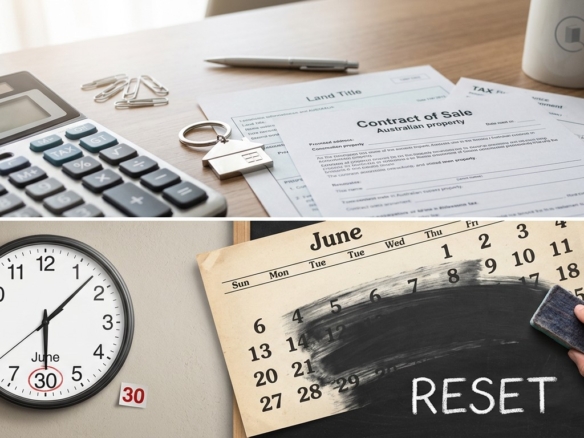

Is the thought of leveraging your first Australian property to buy another both exciting and terrifying? You’re not alone. Many investors get stuck after one purchase, overwhelmed by the fear of taking on too much debt and unsure how to build a successful multi-property portfolio strategy. The path from a single investment to a thriving portfolio that generates real wealth can seem complex, leaving you questioning the next best step for your financial future.
Forget the guesswork and confusion. This article is your blueprint. We will break down the exact step-by-step framework used by savvy investors to scale safely and effectively across Australia. You’ll discover how to structure your finances for continuous growth, choose the right properties to fuel your momentum, and build a high-performing asset base that delivers the long-term financial freedom you’re working towards. It’s time to turn your property goals into a repeatable, wealth-creating reality.
Key Takeaways
- Learn how compounding capital growth across multiple properties can dramatically accelerate your wealth creation compared to owning a single investment.
- Discover the core portfolio strategies and how to select the right one that aligns with your personal financial goals in the Australian market.
- A successful multi-property portfolio strategy hinges on a robust finance plan; understand how to structure your loans and navigate lender requirements as you scale.
- Develop a repeatable, data-driven acquisition blueprint to make logical investment decisions and implement systems to manage your growing portfolio effectively.
The Foundation: Why a Multi-Property Strategy Accelerates Wealth
Owning a single investment property is a fantastic achievement, but it’s often just the first step on the path to financial independence. True, long-term wealth creation is achieved by scaling up. While a single property provides linear growth, a portfolio unlocks exponential potential. This transition from being a landlord to becoming a strategic investor is the core of a successful multi-property portfolio strategy, building an asset base that generates both powerful capital growth and significant passive income.
The Compounding Effect in Action
Consider the difference over ten years. One A$600,000 property might grow to A$950,000. Now, imagine acquiring three such properties over the same period. Your total capital growth isn’t just tripled; the combined rental income accelerates debt reduction across the portfolio. This enables you to “recycle equity”-using the increased value in your existing properties to fund deposits for your next purchase, fuelling a cycle of rapid, compounded growth.
Diversification: Your Portfolio’s Safety Net
Placing all your capital into a single asset exposes you to concentrated risk. A localised economic downturn, new council regulations, or a long vacancy period could stall your progress. A diversified portfolio is your safety net, spreading risk across different markets and asset types. This strategic allocation can protect your portfolio from isolated shocks and ensure more consistent performance.
- Geographic Diversification: Holding properties in different states (e.g., Sydney, Brisbane, Perth) mitigates the impact of a single market’s cycle.
- Asset Type Diversification: A mix of houses, townhouses, and units can appeal to different tenant demographics and perform differently under various market conditions.
Setting Clear Portfolio Goals
A powerful multi-property portfolio strategy begins with a clear destination. What does financial freedom look like for you? Is it a target passive income of A$150,000 per year, or a total portfolio value of A$5 million? By defining your goal, you can reverse-engineer the journey. Understanding fundamental real estate investing principles helps you establish a realistic acquisition timeline and the actionable steps required to turn your vision into a reality.
For many, that vision of freedom translates into more travel and life experiences. Planning these well-earned rewards is where a specialist can help, and many turn to experts like Crestwell Travel Services to design the dream holidays that their hard work has made possible.
Choosing Your North Star: Core Portfolio Strategies Explained
Before you purchase a single property, you must define your overarching goal. Your chosen multi-property portfolio strategy acts as your compass, guiding every decision you make-from the type of asset you buy to its location. There is no universally ‘best’ approach; the right strategy is the one that aligns perfectly with your financial goals, timeline, and risk tolerance. Let’s explore the three most effective strategies for building a robust portfolio in Australia.
Strategy 1: Capital Growth Focused
This strategy is all about wealth creation through asset appreciation. Investors prioritise properties in high-demand metropolitan areas like Sydney or Melbourne, where long-term capital growth potential is highest. Initially, these properties are often negatively geared, meaning the rental income doesn’t cover the mortgage and expenses. The goal isn’t immediate income, but to build a substantial equity base. When you eventually sell, understanding your tax obligations is critical; you can review the Australian Taxation Office guidelines on CGT to prepare. This accumulated equity can then be leveraged to fund future purchases, accelerating your portfolio’s growth.
Strategy 2: Positive Cash Flow Focused
In contrast, a cash flow strategy focuses on generating immediate income. The priority is finding properties with high rental yields that exceed all holding costs, including mortgage repayments, council rates, and maintenance. These opportunities are often found in regional centres or the outer suburbs of capital cities where property prices are lower. Each property not only pays for itself but also contributes a surplus to your income, providing financial stability and reducing risk. While capital growth may be slower, the immediate financial benefit is a significant advantage.
Strategy 3: The Hybrid Approach
Often considered the most sustainable long-term strategy, the hybrid approach offers the best of both worlds. It involves strategically balancing your portfolio with both high-growth and high-yield properties. The positive cash flow generated by your regional investments can be used to offset the holding costs of your negatively geared metropolitan properties. This creates a self-funding engine for growth, allowing you to hold premium assets without straining your personal finances. This balanced method builds a resilient and diversified multi-property portfolio strategy designed for enduring success.
The Engine of Growth: How to Finance a Multi-Property Portfolio
As you scale from one property to many, securing finance becomes progressively more challenging. Lenders will scrutinise your entire financial position, focusing heavily on your overall debt-to-income ratio. However, the key to sustainable growth isn’t just about earning more; it’s about strategically using the assets you already own. A successful multi-property portfolio strategy is built on a solid financial foundation, starting with understanding how to leverage your existing equity and structure your loans for maximum flexibility.
Unlocking Equity: The Key to Your Next Purchase
Your greatest asset for expansion is the equity in your existing properties. Usable equity is the portion a lender will allow you to borrow against, typically up to 80% of the property’s current value, minus your outstanding loan balance. To access it, you refinance your loan, which involves a new property valuation. This unlocks cash that can be used as the deposit and purchasing costs for your next investment.
For example:
- Your first property is now valued at A$750,000.
- Your remaining loan is A$400,000.
- A lender may let you borrow up to 80% of the value: A$750,000 x 0.80 = A$600,000.
- Your usable equity is: A$600,000 – A$400,000 = A$200,000, ready for your next deposit.
Smart Loan Structuring for Investors
How you structure your loans is critical. While some lenders may push for cross-collateralisation (linking your properties as security for one large loan), this can be risky. It gives the bank control over your entire portfolio, making it difficult to sell one property without impacting the others. A better approach is to secure a separate, stand-alone loan for each property. This isolates risk and gives you the freedom to manage each asset independently. You should also consider interest-only loans to maximise cash flow during the growth phase, though principal-and-interest loans build equity faster. Explore specialised investment property home loans designed for portfolio growth.
Alternative Funding: Investing with Super
Another powerful avenue for funding is through a Self-Managed Super Fund (SMSF). Australian regulations permit using your superannuation to purchase investment properties, provided you follow strict rules. The property must be for the sole purpose of providing retirement benefits, and you’ll need a specific type of loan called a limited recourse borrowing arrangement (LRBA). While complex to set up, using your super can add a significant, tax-effective pillar to your multi-property portfolio strategy. Learn more about our expert SMSF property setup services.
The Acquisition Blueprint: Your Step-by-Step Plan to Scale
A successful multi-property portfolio strategy isn’t built on luck; it’s built on a repeatable blueprint. Scaling your investments requires a systematic approach that removes emotion from the equation, allowing you to make logical, data-driven decisions every time. This disciplined process ensures each acquisition strengthens your portfolio’s foundation for long-term growth. It all comes down to selecting the right markets, securing the right properties, and surrounding yourself with the right team.
Step 1: Master Your First Purchase
Your first property is the cornerstone of your entire portfolio. Do not compromise. Focus on acquiring a high-quality, ‘investment grade’ asset in a location with undeniable growth drivers. Look for areas with significant infrastructure spending, diverse job markets, and consistent population growth. This initial purchase isn’t just a transaction; it’s the solid foundation you’ll leverage to acquire your next properties.
Step 2: The Art of the Second Purchase
Once your first property has seen capital growth-for example, a A$600,000 property appreciating to A$700,000-you can leverage this new equity to fund the deposit for your second asset. This is the time to consider diversification. If your first property was a house in a capital city, your second could be a townhouse in a high-growth regional hub. Your borrowing capacity will be reassessed by lenders based on the combined strength of your growing portfolio.
Step 3: Building Your A-Team
You cannot scale efficiently alone. A non-negotiable part of this strategy is assembling a team of trusted professionals who specialise in property investment. This team is your strategic advantage, saving you time, money, and costly missteps. Your core team should include:
- Mortgage Broker: To navigate complex lending structures.
- Accountant: For tax-effective ownership structuring.
- Solicitor: To handle all legal and conveyancing matters.
- Buyer’s Agent: To find off-market deals and negotiate on your behalf.
The cornerstone of this team is often a skilled real estate agency that can guide your transactions. While this guide focuses on Australia, the principles of expert representation are universal; for example, agencies like Noble Real Estate specialize in helping clients navigate the property market successfully.
A skilled buyer’s agent, in particular, can unlock opportunities you would never find on your own. Discover how our professional buyer’s agents can accelerate your portfolio growth and secure investment-grade properties across Australia.
Managing Your Empire: Systems for Protection and Long-Term Success
As your property portfolio expands from one investment to several, the complexity of management grows exponentially. What was once a simple side-hustle can quickly become an overwhelming administrative burden. Implementing robust systems early is not just about convenience; it’s a critical step to protect your assets, maximise returns, and ensure the long-term viability of your wealth creation journey.
Professional Property Management vs. Self-Management
While self-managing a single property is feasible, scaling to a multi-property portfolio makes professional management almost essential. A great property manager handles tenant screening, rent collection, routine inspections, maintenance, and navigating Australia’s complex tenancy laws. This frees you to focus on strategy, not clogged drains. For investors seeking a hands-off approach, turn-key properties often come with management in place and even rental guarantees, simplifying the process from day one.
Risk Mitigation Strategies
A successful multi-property portfolio strategy is built on a foundation of proactive risk management. Don’t leave your financial future to chance; protect it with these essential buffers:
- Comprehensive Landlord Insurance: This is non-negotiable. Standard building insurance isn’t enough. You need specific landlord cover for risks like tenant damage, loss of rent, and public liability claims.
- Maintain a Cash Buffer: Keep a dedicated cash reserve for unforeseen expenses. A good rule of thumb is to hold A$10,000 to A$15,000 per property to cover major repairs, strata levies, or extended vacancies without financial stress.
- Manage Interest Rate Risk: Discuss fixing some or all of your investment loans with your mortgage broker. Fixed rates provide certainty in your cash flow, making it easier to budget and plan, while variable rates can offer flexibility.
The Annual Portfolio Review
Treat your property portfolio like a business by scheduling an annual review with your team of experts, including your mortgage broker and accountant. This meeting is your opportunity to assess performance across the board. Analyse each property’s rental yield, capital growth, expenses, and loan structure. This disciplined review helps you identify underperforming assets that may need to be sold and pinpoint opportunities for your next strategic acquisition, keeping your wealth engine running at peak efficiency.
Building and managing a portfolio requires expertise. To ensure your strategy is robust and tailored for success, speak with an investment specialist who can guide your journey.
Your Property Empire Awaits: Turning Strategy into Reality
Building significant wealth through Australian property isn’t about luck; it’s about a clear and executable plan. As we’ve explored, accelerating your financial future hinges on understanding the power of leverage, defining your core investment goals, and establishing a robust financing structure. This isn’t just theory-it’s the foundation of a successful multi-property portfolio strategy that turns ambitious goals into tangible assets and passive income.
The blueprint is now in your hands, but you don’t have to build your empire alone. The specialists at Elite Wealth Creators help everyday Australians implement these strategies every day. With access to unique financing solutions to help you build faster and turn-key properties with 5-year rental guarantees, your path is clearer than ever. Book a free, no-obligation strategy session with our property investment experts to take the first concrete step towards building your legacy.
Your financial freedom is not a distant dream; it’s a project waiting to begin.
Frequently Asked Questions
How many investment properties do I need to retire in Australia?
The number of properties needed for retirement depends entirely on your desired annual income and the portfolio’s performance. For instance, to generate a passive income of A$100,000 per year from a debt-free portfolio with a 4% net rental yield, you would need properties valued at A$2.5 million. This could be three high-value properties or five more affordable ones. Your personal financial goals and the quality of your assets will ultimately determine the ideal number for your comfortable retirement.
How much deposit do I need to buy a second investment property?
Typically, you will need a 20% deposit to avoid paying Lenders Mortgage Insurance (LMI), plus an additional 5% to cover purchasing costs like stamp duty and legal fees. For a A$600,000 property, this totals around A$150,000. Many successful investors don’t use cash for this; instead, they leverage the equity built up in their existing property to fund the deposit for their next purchase, accelerating their portfolio growth without saving for years.
Is it better to have all my investment loans with one bank or multiple lenders?
While using one bank seems simpler, spreading your loans across multiple lenders is often a superior strategy for portfolio growth. This diversification mitigates risk; if one lender changes its policies or undervalues a property, your entire investment plan is not halted. Using different lenders can also maximise your overall borrowing capacity, as each institution assesses serviceability differently, giving you more flexibility to expand your portfolio when the right opportunity arises.
What are the biggest risks when building a multi-property portfolio?
The primary risks in a multi-property portfolio strategy are over-leveraging and poor cash flow management. Unexpected vacancies, significant maintenance bills, or sharp interest rate rises can strain your finances if you lack a sufficient cash buffer. Another major risk is poor asset selection; purchasing in a stagnant market can severely limit both your capital growth and rental returns. Meticulous planning and risk mitigation are crucial for sustainable long-term success in property investment.
How long should I wait before buying my next investment property?
The right time to buy your next property is determined by your financial position, not a specific timeframe. You are ready to purchase again once you have accumulated sufficient usable equity in your existing portfolio to cover the deposit and costs of the next one. This could take 12 months or several years, depending on market growth. Crucially, your borrowing capacity must also be strong enough for lenders to approve the new loan based on your current income and expenses.
Can I use my Self-Managed Super Fund (SMSF) to build a property portfolio?
Yes, you can use an SMSF to buy investment properties, but you must adhere to strict government regulations. The purchase is typically funded via a Limited Recourse Borrowing Arrangement (LRBA), and the property must meet the “sole purpose test” of providing retirement benefits for fund members. You cannot live in the property or rent it to a family member. Due to the complexity, seeking specialised financial advice before using your super for property is essential.