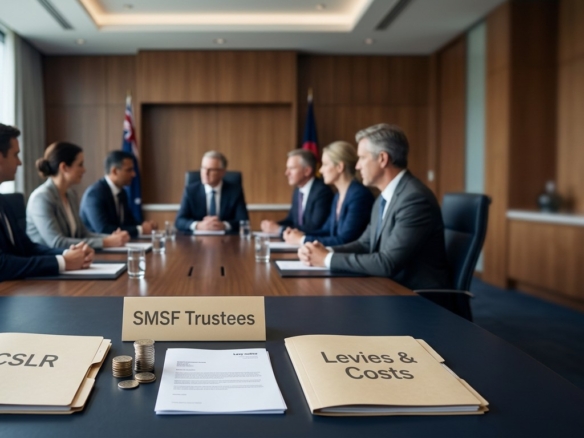

SMSFs Made Simple: Control, Choice & Cautions
A Self-Managed Super Fund (SMSF) is like swapping the passenger seat for the driver’s seat of your retirement savings. Instead of handing the keys to a big fund and hoping for the best, you and up to five other members can steer the strategy, choose the investments, and decide how the fund runs—within Australia’s superannuation rules. That freedom can feel exciting (and empowering), but it also comes with responsibilities that don’t disappear just because the view is better from behind the wheel.
Take the Wheel: SMSF Control Without the Jargon
Running an SMSF means you’re not just an investor—you’re also a trustee (or a director of a corporate trustee), which is a fancy way of saying you’re responsible for decisions and compliance. You set the fund’s goals, decide how money is invested, and make sure everything follows the rules laid out by the ATO. The good news: you don’t need to speak “finance fluent” to get the concept. Think of it as managing a household budget, but with stricter record-keeping and a referee who checks the game every year.
The real charm of control is how personal it can be. You can tailor an investment approach to suit your timeline, risk tolerance, and values—whether that means focusing on dividends, balancing growth and stability, or building a diversified mix across assets. You also get to design an investment strategy and review it regularly, like updating a travel itinerary as conditions change. It’s not about picking “perfect” investments; it’s about building a sensible plan you can explain, stick to, and adjust with care.
But control isn’t the same as doing everything yourself, all the time. Many SMSF trustees use accountants, advisers, or administrators to help with paperwork, tax, and reporting. You can outsource tasks, but you can’t outsource responsibility—if something goes wrong, the trustees are still accountable. In other words, you can hire a co-pilot, but you’re still the one flying the plane.
Choices, Cheers & Cautions: Keeping SMSFs Safe
One of the most celebrated parts of SMSFs is choice. Trustees can consider a wide range of investments (as allowed by the rules), which might include shares, ETFs, managed funds, cash, and—under specific conditions—property. That menu can make SMSFs feel like a “choose-your-own-adventure” book for your retirement. The trick is to make choices that fit your written strategy, diversification aims, and long-term purpose, rather than chasing whatever’s trending at a weekend barbecue.
Now for the caution signs—bright, friendly, and important. SMSFs come with costs (setup, accounting, auditing, administration) and time commitments, so they often make more sense when the fund balance can justify those ongoing expenses. Compliance is also a non-negotiable: annual audits, accurate records, proper valuations, and rules about contributions and pension payments all matter. Add in the fact that markets can wobble, property can be illiquid, and concentration risk can creep in, and you can see why “choice” should always travel with “discipline.”
A special note on the classic “sounds-good” traps: mixing personal and SMSF finances, treating the fund like a private piggy bank, or making investments that primarily benefit members now (rather than the fund later) can trigger serious breaches. SMSFs must operate for the sole purpose of providing retirement benefits, and transactions with related parties are tightly controlled. If you’re ever unsure, it’s wiser to pause and get professional guidance than to speed ahead with crossed fingers—retirement planning loves patience, not shortcuts.
An SMSF can be a wonderfully hands-on way to build a retirement plan that feels like it truly belongs to you—full of intention, tailored choices, and a strategy that reflects your life. But the same freedom that makes SMSFs appealing also asks for steady attention, good records, and a clear-eyed respect for the rules. Drive it well, and it can be a rewarding journey; rush it, and the bumps get louder.