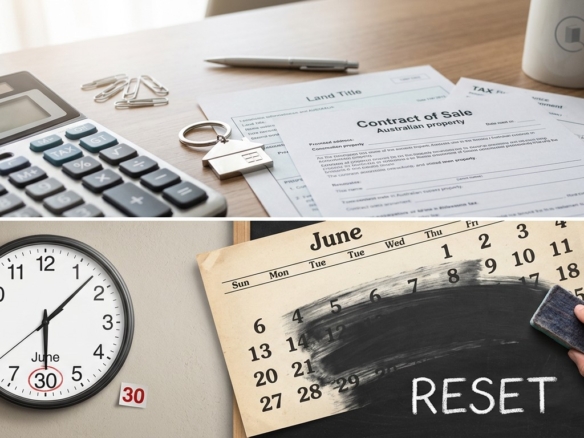

Buying your first home often feels overwhelming. With shifting property prices and a maze of government schemes, it can be hard to know where to start or how to make the most of your budget. You might wonder if you’re missing out on helpful programs or overlooking steps that could save you money and stress.
This guide is packed with practical strategies to help you move from confusion to confidence. You’ll discover actionable tips on getting your finances in order, securing pre-approval, researching government support, and spotting smart opportunities. Each step is designed to provide clarity and help you move closer to owning your dream home.
Stay tuned as you learn how to unlock the right tools and insights for a smooth first home buying experience in Australia. The details ahead could make all the difference to your buying journey.
Table of Contents
Quick Summary
| Takeaway | Explanation |
| 1. Define your budget first | Understanding financial capacity shapes your home-buying strategy, ensuring affordability and reducing stress. |
| 2. Get loan pre-approval | Pre-approval boosts your buying power, demonstrates financial credibility to sellers, and streamlines the purchase process. |
| 3. Research locations thoroughly | Choosing the right area influences your investment potential; consider proximity to work, amenities, and future growth. |
| 4. Utilise government support | Access various grants and schemes to lower upfront costs and enhance your path to homeownership. |
| 5. Conduct detailed property inspections | A thorough property evaluation helps identify potential issues, saving you from costly repairs and poor investments. |
1. Define Your Budget and Borrowing Power
Understanding your financial capacity is the critical first step in your first home-buying journey. Your budget and borrowing power will determine the type of property you can purchase and shape your entire property investment strategy.
To determine your budget effectively, you’ll need to consider several key financial factors:
-
Your current income and employment stability
-
Existing debts and financial commitments
-
Savings and deposit amount
-
Credit history and credit score
-
Living expenses and potential mortgage repayments
The Australian Government offers several support programs to help first-home buyers enter the property market. You can leverage schemes like the First Home Super Saver Scheme to boost your savings and improve your borrowing potential.
Your borrowing power represents the maximum amount a lender will consider lending you based on your financial profile.
To get a precise understanding of your borrowing capacity, use tools like the MoneySmart mortgage calculator. This resource helps you assess how much you can realistically borrow by considering interest rates, loan terms, and your personal financial circumstances.
When calculating your budget, aim to keep your mortgage repayments below 30% of your after-tax income. This ensures you maintain financial flexibility and can comfortably manage your home loan without experiencing financial stress.
Pro tip: Before applying for a home loan, obtain a copy of your credit report and address any potential issues to improve your borrowing power and secure more favourable lending terms.
2. Secure Pre-Approval for Your Home Loan
Locking in your home loan pre-approval is a game-changing step in your first home-buying journey. This critical process transforms your property search from wishful thinking to serious purchasing power.
Pre-approval provides several strategic advantages:
-
Confirms exactly how much you can borrow
-
Demonstrates financial credibility to sellers
-
Helps you understand your precise budget
-
Speeds up the final loan application process
-
Gives you a competitive edge in property negotiations
The Help to Buy Scheme offers unique opportunities for first-home buyers seeking pre-approval. This government initiative supports eligible buyers by providing shared equity options that can reduce their initial deposit requirements.
Pre-approval is your financial passport in the property market – it tells sellers you’re a serious and prepared buyer.
To secure pre-approval, you’ll need to gather comprehensive financial documentation. Lenders typically require:
-
Proof of income (payslips, tax returns)
-
Bank statements showing savings history
-
Identification documents
-
Details of existing debts and financial commitments
-
Employment verification
Understand that pre-approval is not a guaranteed loan but a strong indication of your borrowing capacity. Most pre-approvals are valid for three to six months, giving you a defined window to find your ideal property.
Pro tip: Obtain pre-approval from multiple lenders to compare offerings and negotiate better terms, ensuring you secure the most competitive home loan package.
3. Research Location and Property Types
Choosing the right location and property type is more than just finding a home – it’s about securing a strategic investment for your financial future. Your property selection will affect everything from your lifestyle to your long-term wealth-creation potential.
First home buyers in Australia have multiple property options to consider:
-
Standalone houses
-
Townhouses
-
Apartments
-
House and land packages
-
Off-the-plan developments
-
Vacant land for building
The State of the Housing System report provides critical insights into regional market variations. Understanding these differences helps you make an informed decision that balances affordability with growth potential.
Location isn’t just about where you live – it’s about investing in your future.
When researching locations, consider these key factors:
-
Proximity to employment centres
-
Public transport accessibility
-
Future infrastructure development
-
School and healthcare facilities
-
Potential capital growth
Suburb selection requires thorough investigation beyond surface-level attractions. Look beyond the immediate appeal and analyse long-term growth indicators, including planned infrastructure projects, local economic trends, and demographic shifts.
Property type selection should align with both your current lifestyle needs and potential future requirements. A one-bedroom apartment might suit you now, but consider whether it will accommodate potential family growth or career changes.
Pro tip: Attend multiple open homes in different suburbs and property types to develop a nuanced understanding of market dynamics and refine your property selection criteria.
4. Understand Government Grants and Schemes
First home buyers have a powerful ally in the Australian Government: a suite of financial support programs designed to turn homeownership from a distant dream into an achievable reality. These strategic grants and schemes can significantly reduce your upfront costs and accelerate your property journey.
Key government support initiatives include:
-
First Home Super Saver Scheme
-
First Home Loan Deposit Scheme
-
Help to Buy Scheme
-
State-based first home buyer grants
-
Stamp duty concessions
The Australian Treasury’s home ownership support provides comprehensive details on these transformative programs. Most schemes aim to address two critical barriers for first-home buyers: deposit requirements and upfront costs.
Government grants are not just financial assistance – they’re your passport to property ownership.
Understanding eligibility is crucial. Each scheme has specific requirements:
-
Income thresholds
-
Property value limits
-
Residency status
-
First home buyer status
-
Scheme-specific conditions
The First Home Super Saver Scheme allows you to leverage your superannuation to build a home deposit faster. By making voluntary contributions to your super account, you can potentially save more efficiently than through traditional banking methods.
First Home Loan Deposit Scheme is particularly powerful. It enables eligible buyers to purchase a home with as little as a 5% deposit while avoiding a lender’s mortgage insurance – potentially saving thousands in upfront costs.
Pro tip: Request a personalised assessment from a mortgage professional to determine which government schemes you qualify for and maximise your financial advantages.
5. Inspect Properties Like a Professional
A professional property inspection is your critical defence against costly surprises and potential future headaches. Your keen eye and systematic approach can save you thousands and prevent disastrous property investments.
Key areas to inspect during a property walkthrough:
-
Structural integrity
-
Roof and ceiling conditions
-
Plumbing and electrical systems
-
Evidence of water damage
-
Foundation and wall stability
-
Pest infestation signs
Professional inspection techniques from InspectWA highlight the importance of thorough, methodical property evaluation. A comprehensive inspection goes far beyond surface appearances.
A 30-minute inspection can save you tens of thousands in potential repair costs.
During your property inspection, follow this strategic approach:
-
Arrive early and observe the neighbourhood
-
Check exterior paint and structural conditions
-
Test all electrical switches and water fixtures
-
Look for hidden moisture or repair signs
-
Examine floor levels and potential structural movements
-
Request detailed building and pest inspection reports
Professional inspection requires more than a casual glance. Bring tools such as a torch, measuring tape, and a notebook to document your observations systematically.
Buyer’s checklist should include:
-
Checking wall and ceiling cracks
-
Testing window and door functionality
-
Assessing drainage around the property
-
Investigating potential noise pollution
-
Understanding renovation potential
Pro tip: Consider hiring a professional building inspector for a comprehensive evaluation if you are uncertain about identifying potential property issues.
6. Review Contracts and Negotiate Terms
Understanding and negotiating property contracts is your strategic defence against potential financial and legal pitfalls. Every clause and condition represents an opportunity to protect your interests and create a favourable purchasing environment.
Key contract elements to scrutinise:
-
Purchase price and payment terms
-
Settlement dates
-
Conditional clauses
-
Property inclusions and exclusions
-
Building and pest inspection contingencies
-
Financial settlement conditions
Negotiation strategies require more than just discussing price. Successful negotiation involves understanding motivations and creating win-win scenarios.
Effective negotiation is an art of mutual understanding not a battlefield of competing interests.
Follow this strategic contract review process:
-
Read the entire contract thoroughly
-
Understand all legal terminology
-
Identify potential risks and contingencies
-
Seek professional legal advice
-
Negotiate terms confidently
-
Get all agreements in writing
Negotiation tactics should focus on creating value for both parties. This means understanding the seller’s motivations and presenting solutions that address their needs while protecting your interests.
Important contract negotiation considerations:
-
Property condition at settlement
-
Specific repairs or improvements
-
Deposit and payment structures
-
Right to building and pest inspections
-
Potential exit clauses
Pro tip: Always have a professional conveyancer or solicitor review the contract before signing to ensure you fully understand and protect your legal and financial interests.
7. Plan for Long-Term Wealth and Cash Flow
Your first home is more than just a place to live – it’s a strategic financial asset with potential to generate long-term wealth. Smart planning transforms homeownership from a simple purchase into a powerful wealth-building opportunity.
Strategic wealth creation strategies include:
-
Building home equity
-
Potential property value appreciation
-
Rental income opportunities
-
Tax depreciation benefits
-
Leveraging government investment schemes
The Australian Government’s housing investment strategy provides frameworks to support first home buyers in creating sustainable financial pathways.
Wealth creation begins with viewing your home as an investment vehicle not just a living space.
Key wealth planning considerations:
-
Understand potential property value growth
-
Explore potential rental income streams
-
Consider future renovation opportunities
-
Plan for strategic property upgrades
-
Develop a long-term financial perspective
Wealth creation techniques require proactive financial management. This means looking beyond immediate housing needs and strategically positioning your property for future opportunities.
Cash flow management is crucial. Calculate potential income streams from:
-
Future rental potential
-
Potential property value increases
-
Tax depreciation benefits
-
Potential equity refinancing options
Pro tip: Consult a financial advisor to develop a comprehensive property investment strategy that aligns your first home purchase with your long-term wealth creation goals.
Below is a comprehensive table summarising the key aspects and strategies for first-time homebuyers discussed in the article.
| Topic | Details | Key Recommendations |
| Budget and Borrowing Power | Assess your financial capacity, including income, debts, savings, and expenses, to establish a realistic budget. | Utilise tools like the MoneySmart mortgage calculator and maintain mortgage repayments below 30% of after-tax income. |
| Home Loan Pre-Approval | A pre-approved loan demonstrates financial credibility and clarifies your borrowing potential. | Secure pre-approvals from multiple lenders for the best terms, providing required documentation. |
| Location and Property Research | Selecting the right location and property type affects lifestyle and investment growth. | Analyse factors such as proximity to services, infrastructure development, and property types suited to future needs. |
| Government Grants and Schemes | Leverage available government schemes to reduce upfront costs. | Review the eligibility criteria for schemes such as the First Home Super Saver Scheme, and consult professionals for a personalised assessment. |
| Property Inspection | Conduct thorough inspections to avoid unexpected repair expenses. | Look into structural, plumbing, and electrical aspects, considering professional inspection services if required. |
| Contract Negotiation | Understand and negotiate the property contract thoroughly to safeguard your interests. | Employ legal professionals, scrutinise clauses, and negotiate terms advantageous to you. |
| Long-Term Wealth Planning | View your property as an investment for building wealth. | Plan for potential rental income, upgrades, and equity growth opportunities, consulting financial advisors for strategy. |
Take Control of Your First Home Buying Journey with Expert Support
Buying your first home in Australia can feel overwhelming with budgeting, loan pre-approval, government schemes, and property inspections all demanding your attention. The challenge lies in navigating financial barriers while making smart decisions that build lasting wealth and avoid costly mistakes. This article’s insights highlight crucial steps like understanding your borrowing power, securing pre-approval, and strategically selecting property types and locations.
At Elite Wealth Creators, we transform these complexities into clear, actionable strategies tailored for first home buyers. Our specialised services for First Home Buyers offer precision sourcing and financial innovations such as the Homepay Advantage to maintain your cash flow. Unlock your potential with instant liquidity solutions and expert guidance on government grants and negotiating property contracts. Why wait to make your dream of homeownership a reality when you can access exclusive advantages designed to accelerate your journey?
Start your smart property journey today by exploring how we can help you overcome financial hurdles and secure your ideal home. Visit Elite Wealth Creators and connect with experts dedicated to turning your vision into lasting wealth.
Frequently Asked Questions
What should I consider when defining my budget and borrowing power as a first home buyer?
Understanding your budget and borrowing power involves assessing your income, debts, savings, and credit history. Begin by calculating your potential borrowing amount and aim to keep mortgage repayments under 30% of your after-tax income for financial stability.
How can I secure pre-approval for my home loan?
To obtain pre-approval, gather documents like your income proof and bank statements. Approach multiple lenders to compare offers, which can help you secure better loan terms before you start your property search.
What are the key factors to research when choosing a location for my first home?
When selecting a location, consider proximity to work, access to public transport, local amenities, and infrastructure development. Research these factors to identify areas with strong long-term growth potential that align with your lifestyle needs.
How can I maximise government grants and schemes as a first-home buyer?
To make the most of government grants, start by understanding the eligibility requirements for each scheme, such as income thresholds and property value limits. Take the time to determine which grants you qualify for and tailor your financial strategy to leverage these opportunities effectively.
What should I look for during a property inspection?
Focus on assessing the property’s structural integrity, plumbing, and electrical systems. Use a checklist to thoroughly evaluate key areas and document any issues, helping you avoid costly repairs in the future.
How can I effectively review and negotiate property contracts?
Carefully read through the contract, highlighting key terms like payment conditions and contingencies. Seek professional advice when negotiating terms to ensure your interests are protected, and strive for clarity in all agreements before signing.